Free Recruitment Marketing Roadmap
Take the free assessment and get a customised game plan to grow your agency.
Build my roadmapDo buyers hear your name when they ask ChatGPT?
Cited is a free AI visibility check for recruitment agency founders.
Get my Cited scoreLondon
Off The Record with Bill Jackson
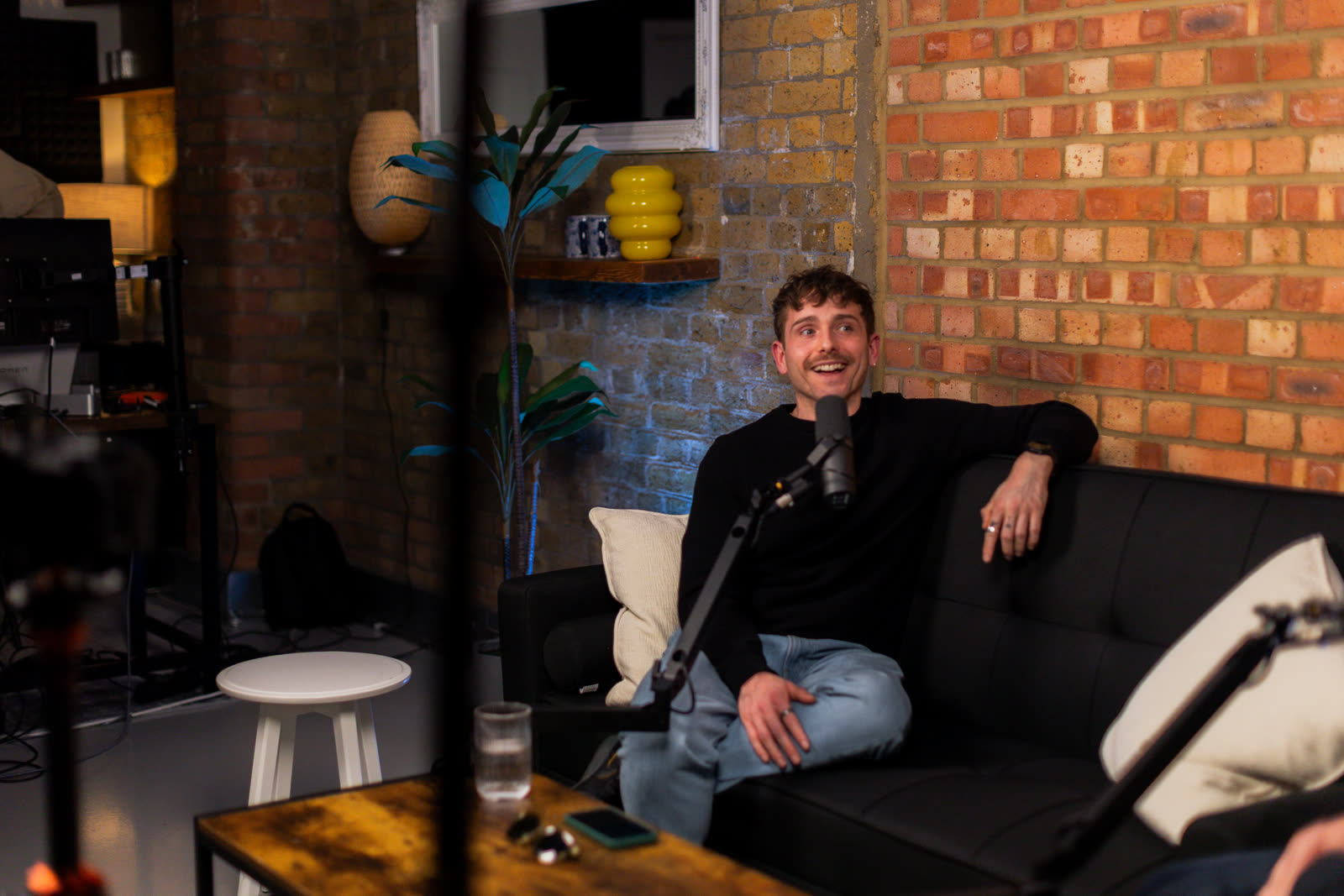
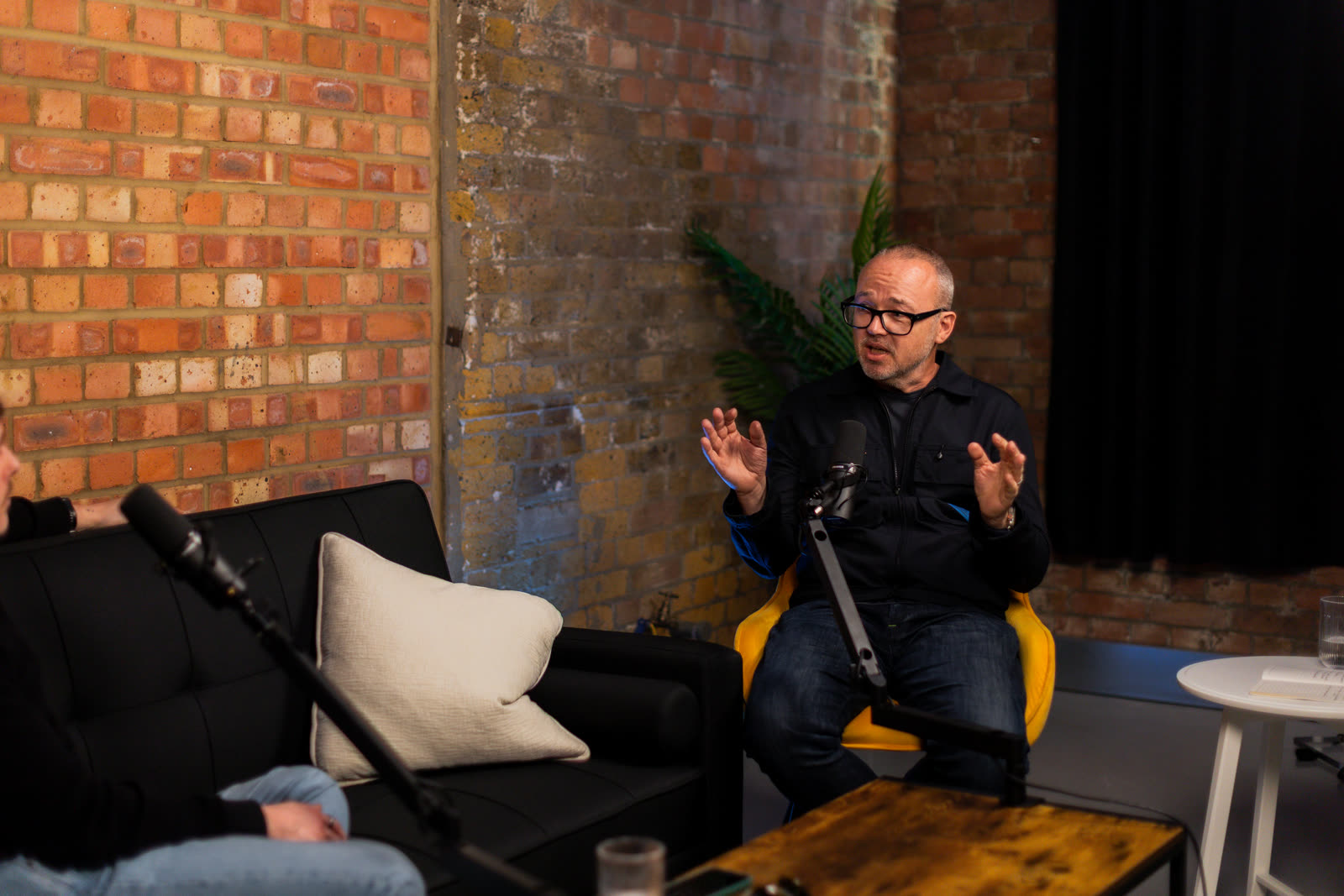
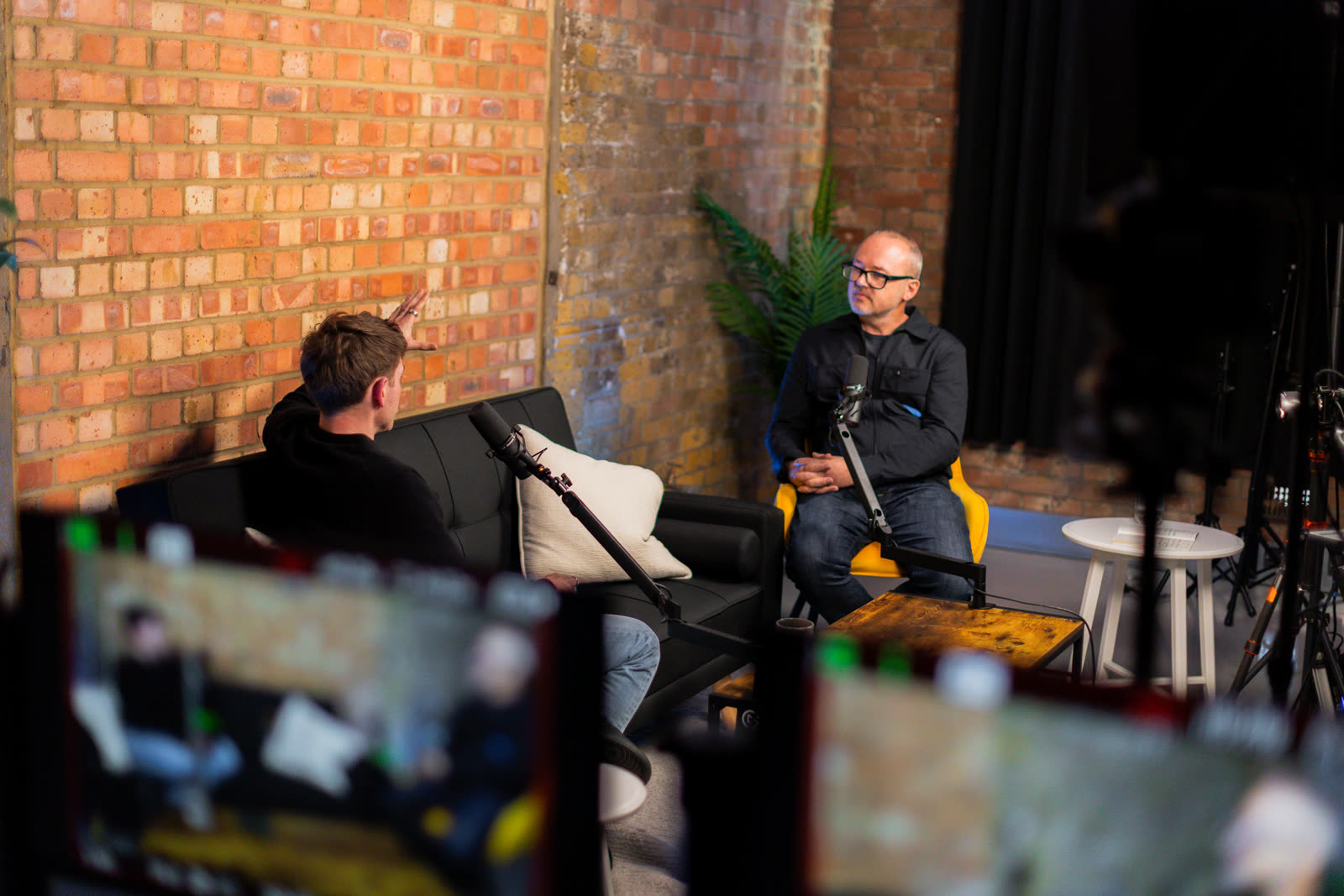
About this episode
Bill Jackson was eating lunch in a work van, covered in grass and leaves, with about £50 in the bank. He grabbed a post-it note and wrote down what he wanted: to become a director of a business within ten years. He did it in four. This episode is the story of how a landscape gardener who had taught English in Barcelona and Sicily and tried digital marketing in Thailand walked into a careers fair in Guernsey, talked his way through a 90 minute interview, and went from recruitment consultant to manager before his probation had ended.
It is also the story of what happens next. In March 2026 Bill and his business partner Emilia launched Altitude Recruitment, a specialist Guernsey firm built on the network he spent six or seven years building. Bill talks through the moment that convinced him he could run his own business, why the plan is seven to ten people and no more, the classic growth model he thinks most recruitment owners get wrong, and the first thing he had to do as a 26 year old manager: let someone go.
Key takeaways
- £50 in the bank, a work van and a post-it note: "become a director within ten years". He did it in four
- From a careers fair stand to a job offer the next day: the 90 minute interview that started his recruitment career
- Wolf of Wall Street got him in the door, wanting to help people kept him there, and the interviewer's question: "but do you want to make some money?"
- Manager straight out of probation: facilities, the temp desk, business development, training, one to ones, and still billing
- Building a revenue stream the business had never touched, and why that was the window into running his own firm
- Legacy as the tipping point: a dad who ran his own business from 16 to 77, and an uncle who set up one of Guernsey's first recruitment firms in the 1980s
- Launching with Emilia, "potentially twice the recruiter I ever will be", and why the headcount plan stops at seven to ten
- The growth model most owners get wrong: add a consultant every year, watch the margins, rinse and repeat
- Letting someone go at 26: "I'd been a manager for two minutes", and why it was still the right call
- Quick fire: "it has to come from you", the wrong door and the wrong room, and doing everything right with nothing to show for it
Mentioned in this episode
Highlights
7 short cuts from the episode. Tap any to watch.


About the guest
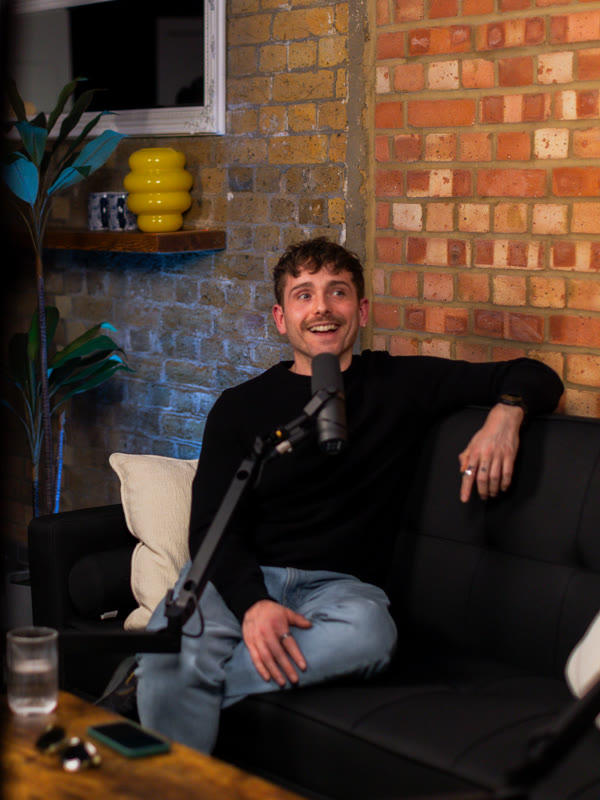
Bill Jackson
Co-founder, Altitude Recruitment
Bill Jackson is the co-founder of Altitude Recruitment, a specialist recruitment business in Guernsey launched in March 2026 with his business partner Emilia. Altitude works across financial services, law and the wider commercial sector, placing everyone from entry level professionals to board level appointments, and is built on the client and candidate network Bill spent six or seven years developing on the island. Bill's route into recruitment was anything but conventional. He worked as a landscape gardener, taught English in Barcelona and Sicily and tried to break into digital marketing in Thailand before a careers fair in Guernsey led to his first consultant role in 2019. He moved into management straight out of his probation period, ran a full time financial services desk while leading a team, and opened up an entirely new market for the business on his way to a directorship. Entrepreneurship runs in the family: his dad ran his own business from the age of 16 until he was 77, and his uncle set up one of the first recruitment businesses in Guernsey in the 1980s.
Read the conversation
Auto-generated from the YouTube captions. May contain minor transcription errors.
Welcome to Off the Record, our next podcast guest. Bill Jackson is the co-founder of Altitude Recruitment, a brand new venture he's just launched alongside his business partner. Stepping out on his own after building an impressive track record in the recruitment world. Based in Guernsey, Bill's career path is anything but conventional. He's worked as a landscape gardener, taught English in Barcelona and Sicily, and even tried to break into digital marketing in Thailand before finding his true calling in recruitment in 2019. And the story of how he got there is one worth hearing. Eating lunch in a work van covered in grass and leaves, he grabbed a post-it note and wrote down his ambitions, one of which was to become a director of a business his own within 10 years. He did it in four. But now with Altitude Recruitment, Bill is writing the next chapter entirely on his own terms, bringing that same integrity, energy and genuine passion for people to a business he can truly call his own. So, Bill, welcome to the show and congrats. Exciting times.
Thank you so much, mate.
Yeah. So let's get into it. Perfect name for a recruiter. Got to be said, Bill, amazing.
Top biller. Yeah.
Would there be any other career choice for you from, you know, the digital marketing trials in, in Thailand? But what was it? So you made those sketches, those notes on a post-it note, you had ambition. What took you to recruitment in the first place?
So it's definitely a long story, which I'll give you the shortest form of. But yeah, you're absolutely right. I was sat in a van working for a gardening firm and back in Guernsey. This is back in guernsey in like 20, 2018, maybe the start of 2019, just after like a abysmally failed relationship back to Guernsey. Probably had about £50 in my bank account or something like that. Got a job at a gardening firm. Quickly found out it probably wasn't for me. Just wasn't very good at it.
Yeah.
And the guys were really good and I was just useless. I was in the van and I saw this post-it note in a pen and I thought, is this a turning point? I don't know, maybe I'm feeling quite ambitious at the moment.
Yeah.
And I put, okay, what do I actually want to do? What do I want to achieve? I mean, kind of like a new chapter. And one of those things was, yeah, become a director of a business. I didn't know what the business was going to be, but underneath that I also put own my own business as well. So after I'd left this, this gardening firm, I went to a careers fair and at the careers Fair was a recruitment agency and I was just kind of drawn to the idea of this kind of like world of recruitment. And it turned out they were actually hiring for a consultant. And I ended up getting an interview. I went in, did the interview, aced it, obviously. But I was there for like, was there for like 90 minutes or whatever, chatting away. I didn't really know how it was going to go, but I got the phone call the next day, I think offering me the job. And the rest. Rest is kind of history.
Did you know what you were letting yourself in for? No, no idea.
I had no idea.
What was it like? So you rock up. What is their training? Is there expectation? What's the culture like? Because, you know, it's. You start at the bottom, there's that expectation that it's like, great, there's your seat, there's your laptop, there's the phone. Yeah, off you go.
Yeah. Well, it did feel a bit like that. I mean there was some, there was some degree of training. Like they didn't just kind of throw me into the deep end and they're like, here's a phone and start doing some deals and making some placements. It wasn't quite like that, but the reason I was kind of drawn to it, I knew it was sales orientated. I think I'd recently watched the Wolf of Wall Street and I thought, you know, I might quite like to get into that. But the main thing was I wanted to kind of help people. And it seemed like getting into recruitment you can have like an actual tangible, positive effect and all of this. And I said that in my interview and the gentleman who was interviewing me was like, okay, that's all well and good, but do you want to make some money? And I was like, well, yeah, money's great. You need it to buy things.
Yeah, it helps.
It helps. It definitely helps. So I think my, my view of it maybe like, like a lot of people, unless you work in it, maybe it's slightly naive or maybe just a bit uneducated to what it, to what it actually is and what it's going to be like. So it was definitely a surprise, but I think it was a, it was a welcomed surprise, you know, that, that adjustment period, I kind of got over that and I've ended up enjoying it so much I've set up my own business.
Yeah, you know, you're a natural. So. So it was the right calling by the sounds of it.
I think so.
So you started at the bottom. This was 2019. What happened next? What was your journey up the ranks.
So I think my probation period as a recruitment consultant was, sorry, three, three months or six months, something like that. And like, I didn't exactly set the world on fire, but I took to it and I started enjoying it and they were like, oh, we want you here, like you're good enough. And then I knew that there was space for a manager and I didn't know if they were going to bring someone in or they were going to put somebody else up. But I spoke to the CEO at the time and I said to her, look, I know I'm new here but don't totally disregard me for the job. I was like, I think I want that and I think I could do it. And then she ended up giving me the role. So I went straight from recruitment consultant and my probationary period straight into, into a manager role. And it wasn't, it wasn't really like a conventional manager role. It wasn't a massive firm. There wasn't a big kind of hierarchical structure. I had at most three direct reports. But what I was doing was, you know, I was facilities manager, I was doing the temp desk, was doing all the business development, I was training people, I was doing the one to ones. So I was doing all these things and kind of like baptism of fire, you learn on the job and like just by doing it, get qualified by experience.
So but you're still billing, you still got the responsibility, still got to do
a fee earner, still got to do all that. So my, my journey in recruitment is as long as my journey in management is, you know, I was put in a, in a manager role or a leader role pretty much straight away.
And how big was the firm?
So they had, so they operated out of a few different jurisdictions, but in Guernsey had count probably around about five people.
Okay.
But they had a Jersey office as well. And then a few remote workers. People in London.
Yeah.
Mauritius. I think they might have had one in UAE as well. Potentially.
Nice.
Yeah.
So how did you find that? So you found a calling, you pretty good at it and then all of a sudden you're thrown in at the deep end and you're managing people and doing, you know, all the rest of it.
Yeah.
All of those responsibilities whilst still having a target.
Yeah.
How did that land? Was that something that you kind of took to fairly easily, that you enjoyed? What were the challenges with that?
Yeah, I mean there's a lot. Because recruitment in itself, it's like a really hard job. I think people don't realize how difficult it is. Most people I Mean, this is what I'd always been told, you know, they'll end up leaving recruitment after the first year or two years. So I've done it long enough. And then, okay, this isn't for me, you know, it's too. It's too turbulent. So I was navigating what. What the job was. Was all about and how changeable it was and challenging in all the different ways that it is, as well as doing this management piece. But it's all I knew. I didn't have it to compare to a time where I was just a recruiter.
It was just you straight in.
I was, I was kind of straight into it. So, I mean, I, I kind of, I enjoyed it. I do like being pushed and challenged, etc. But I think in hindsight, what I would maybe do slightly differently and say, look, you don't need that manager's job straight away. Not straight away. Yeah.
Did it affect your earnings? Was there a dent in that, in that transition from consultant to manager?
Yeah. I mean, so long ago now, I don't even really remember. I think there was, because obviously learning how to be a manager and do all these other things that fall underneath it, so it did have a bit of an impact. And then later into my career, when you're balancing leadership management, you know, trying to be one of the. One of the top sales people, if you can, with directorship and all the strategy and all the things that come with that, that was like, okay, this is, this is really challenging.
Yeah. This is really all of the people issues that you have to deal with at the same time. Yeah, yeah. It's a, It's a challenge. So you've experienced that, I know, in your career today, being a young guy and having the responsibility to make these kind of decisions and.
Yeah.
And deal with all of that.
Yeah.
So you know what you're letting yourself in for in this next journey because you've lived it. You've had experience of getting straight into management. You've had experience of breaking into new territories as well. So huge experience in your short time. So I'm really excited for you on this next chapter. It's. It's a brave call for anyone to start any business at any time. So you've made that call.
Yeah.
How did this come about? How did you make this decision? Is it, is it a big scary decision? What led to it?
Yeah.
So what happened? So you, you decided at the end of last year?
Yes. Yeah. Yeah. Towards. Towards the end of last year, I think was the, was the turning point for Me, and it was all a very kind of natural thing. But for me, if I'm getting quite deep on this now, it's kind of a convergence of legacy for me more than anything. There was always kind of like a, like a timer in my head where I was there. Like, you know, entrepreneurship has run through my family for years. My dad and my uncle, who I'll speak about, really, really inspiring examples of that. And I kind of always knew, like, even being at school, I was like, oh, I don't really like the teachers telling me what to do and having to kind of conform to that way. So there was that part of me. But I think I knew that if I get to the end of the road and I never set up my own business, I would regret that. Yeah, but I wouldn't necessarily regret it if I didn't, if that makes sense. But I would regret being an employee my whole life. That was just something that was kind of running through my head. But yeah, my dad, my dad ran his own business from the age of 16 until he was about 76, 77 years old. He had a couple of like really weird and wonderful little businesses when he was younger as well. But my uncle and his late wife, Uncle Pat, he set up, if not the first, I think the second recruitment business in Guernsey.
Oh, wow.
In the 1980s. So, yeah, for me, I don't know, it feels like this kind of like full circle convergence thing.
Progression.
Yeah, it's.
Yeah. Cool.
Yeah.
So what tipped you over the edge?
I think everyone, at some point in their career, you're gonna have this moment where you think, I either go and do it now or it never happens. Yeah, that, that felt like that happened for me. But I saw what, what I was capable of doing. At my last job, I was propositioned to effectively set up and develop a new. A new marketplace. Yeah, kind of. It was still in Guernsey, but I mean, it was something that was like an untapped kind of field of recruitment for the company at the time. And that felt like a really tall order. Like I was still kind of finding my feet in recruitment at the time. And I was, you know, still in my, in my 20s.
Yeah.
Been in the job maybe three, three or four years, I don't know. And long story short, I was running a full time recruitment desk in financial services. So I was doing that. I was running a team as a manager. I was on the path to a directorship and I was spearheading this project to develop a new marketplace. And again, long story short, we managed to generate an entirely new revenue stream for the business that hadn't been touched. They hadn't placed the candidate in that field before. And I looked at that and I was like, okay, this is a. This is pretty good.
Yeah.
You know, I feel a sense of achievement. I feel pretty good after doing that. But it was that window into the future of like, okay, well, if you can do this, then you could probably set up your own business and really enjoy it. So that was something that was quite a transformative part of my.
Yeah.
Of my career.
Really Cool.
Yeah.
So you're starting out with a partner.
Yeah.
Which is great. So you're not going it totally alone. Just launching, like, right now.
Right now.
So super exciting.
Yeah.
I mean, what an amazing thing. I remember doing it myself, and it's a scary time, but you make the leap. You're all in. What does the next 12 months look like for you guys? That first 12 months?
Busy.
Super busy. Do you have a plan of action ready to go?
Yeah, we do have a bit of a strategy, so I just want to give some kudos to my business partner while I'm here. So I've, I've done the job twice as long as my business partner, Emilia.
Wow.
It's not a tremendous amount of time, but it's still technically 50% more. And I think she's potentially twice the recruiter I ever will be.
Wow.
She's really, really impressive. And she, she embodies, I think, what it means to be a good recruiter. Okay. So those are the types of people that you want to be in the same room with, and certainly that you want to be. You want to be partnering with as well. So having that, that extra line of support, another. Another minds to kind of feed off and build this with has been super invaluable. But the next 12 months, we've. We've already done a lot of business development and picked up. Picked up a lot of clients. I mean, the website's going. Our marketing is going pretty strong. So right now it's about going back to. Going back to basics, getting in the trenches again, being recruiters. For the next 12 months, we've mapped the business in terms of what we think our growth strategy could be.
Are you staying in the same or similar market?
Same market. Same market. So, I mean, I built a pretty substantial network of. Of people over like, six, seven years in recruitment. So we want to tap into that, that, that same market and benefit from. From our experience working in it. So it's, it's. It's looking good. We know That a lot of it is kind of heads down, long hours, probably getting a bit less sleep.
Yeah.
And yeah, we'll be, we'll be getting really stuck into it and then come, come next year, we'll be looking at potentially growing the headcount as well.
Great.
Yeah.
Long term target, do you have a vision in mind like a five year plan, a three year plan? Can you foresee the kind of headcount that you're looking for and where this is going?
I think so. I think so. From, from what I've learned, speaking to mentors and people who are more experienced than me, business leaders, etc. There's a threshold that you get to as a, as a business owner whereby you need to be quite careful in terms of your headcount. So the number I have in my head is probably 7 to 10. 7 to 10 for now. Maybe over the next few years it might surprise me, things might change. But I think what you'll see with a lot of recruitment businesses in our market is that they tend to cap the amount of consultants at about five, about five or six, and then you'll have support staff as well. So I'm thinking, yeah, 10, I don't know, could be way more.
See how you go. Well, I think it's a model that's emerging in recruitment, in the space is being leaner, especially when you look at the tech side of things from AI and the CRM, ATS platforms and the tools that should be enabling you potentially to do more with a smaller headcount than you might traditionally have had. You're showing already that you're doing marketing and, you know, getting ahead of what some of your competitors probably who are bigger than you are doing. So. Yeah, yeah. I mean you can stay lean these days. So it's really exciting. How do you think the market is for you? What's it looking like? Because it's been shaky, let's say, for a lot in the last 12, 18, maybe 24 months.
Yeah.
Is this a good time to start?
I think it's as good a time as any. I think recruitment is one of those markets that, I mean, like any market, if there's a big world event or geopolitical shift, you know, the recruiters feel it. Yeah, right. They feel the pinch quite badly. I think the businesses that tend to suffer during those times are probably the ones that haven't put their time, focus, energy and resource into the right things. So, you know, if you're a company whose model was based off partnership and collaboration and you've Got these kind of long lasting, really healthy relationships with the client base and your candidate portfolio, then those are the businesses that tend to bounce back a lot better.
And being a specialist.
Indeed. Yeah, yeah. So I think between. Between me and my business partner, you know, we've worked really hard at making that our ethos and, you know, acting with a lot of integrity and building those relationships, etc. So we. What we found entering the market after launch is that we're kind of picking right up from where we left off.
Nice.
Yeah.
Talk to me briefly about the name. How did you choose it?
Yeah, yeah.
How did it come about?
It's not a massive story to it, to be honest. We were. We sat in the pub and me, Emilia and another friend, we were just having a chat and somebody said the word altitude. And for the last week we've kind of been tearing our brains out like, oh, you know, we've got to be, you know, it's got to be really poignant and meaningful and it's got to be to do with, you know, our roots and our family and we just heard the word and I don't know if it was the Guinness, but, but we were just kind of like, let's, let's go with that.
I think a lot of people overthink that, you know, to be honest, it's important. Obviously, from a marketing agency, you're branding and.
Yeah.
Sort of things. But yeah, I do tend to think that a lot of people overthink that. So. So I'm really excited for you. Congratulations again.
Thank you. MAN.
On the launch, I know it's going to go really well for you. You've got a proven history, you've got a great partner and you've got that entrepreneurial spirit. So we'll be watching from the sides and rooting for you. So I'm super happy. So before we get into our quick fire round, the step into management obviously was quick for you and a baptism of fire. If you could look back on that time and give advice to anyone else that's thinking about that path or going through that path, what would you tell them?
Yeah, I would say speak to people who have done it before. Don't kind of dive into it because you want the title in your email signature or you want the sort of trivial pay uplift, it could be a great pay uplift, but you got to be doing it for the right reasons. The best managers who do well are the ones who are passionate about developing people, helping, seeing change and actually seeing a tangible difference that you're making in an Individual or a team or whatever. You've got a lot of responsibility and a duty of care for people to make them feel that they're in a safe, supportive, collaborative kind of environment as well. And I think too many people get into management because they just want to progress or be seen to be progressing as well. When really, you know, as. As managers and leaders, you've. You've. You've got a real responsibility, and you need to take that seriously.
It's such a shift as well.
Yeah.
People don't realize.
Yeah. It is a massive shift. I'll give you an example of something that I knew I wanted to be a manager because I get a lot of people find it drains your energy being sat down with someone and they're like, I have all these problems. Fix them. But me being able to speak to people and be like, okay, well, have you looked at it from this angle or this perspective? Or, like, just, you know, chill out. We're gonna. We're gonna figure it out. We're gonna do this. I find I get energy from that, and it makes me feel good. But if you're somebody that maybe you don't get that feeling, then you need to really think about it.
Yeah.
And when. When my managerial career kind of started, one of the first things I had to do was effectively let somebody go. And when we talk about baptism of fire, I mean, that was never nice. It was not nice. You know, I was 26, 26 and a half, 27 years old, and this lady was far my senior in terms of years, not experience. Like, we brought her in, and it was the best decision for us as a business and for her, but still brutal. It was brutal. And I just felt like I had failed her as well. Like, I'd been a manager for, like, two minutes.
Yeah.
I just felt. I felt terrible because it was my duty to make her, you know, better and enjoy it. But it wasn't. It wasn't a skills fit or a culture fit from her side either.
So it was the right call.
It was the right call.
Still delivering bad news.
Still delivering bad news. And, you know, if you're compassionate and empathetic, which I like to think I am, you know, know, even if it's amicable, it really stings, you know, so you got to be ready to kind of do that. And you also have to be ready to not be loved by everyone and be everyone's best friend.
Yeah.
As well.
Very difficult.
Yeah, it is super hard. So that. That. That would be my kind of message to people. If you are Looking at getting into it, do it for the right reasons, speak to the right people, learn about it, you know, get a true reflection of what. What's in store and speak to.
If there are other billing managers in the business, really observe and you know what they're doing and their experiences and talk to them.
Yeah.
Not everyone has to follow that path, you know.
Yeah, precisely. Precisely. So I think, I think my, my entry into it is fairly. Is fairly unique and non conventional. Is your, your introduction set about my career history? But you know, other people can find their way in. In a similar way or a different way, but you've got, you've got to do it for the right reason.
Yeah. So when you're on your path to that 7 to 10 headcount kind of agency, you have all of this experience to lean on for those kind of situations. Is there anything that you learn, like I think personally speaking and other agency owners that I talk to is delaying that decision too long because it's a difficult one. When really from a business perspective it can be better to kind of trust your gut.
Yeah.
And make that call early for everyone's sake.
Yeah, yeah. I think listening to your instincts is important in life in general. And if you're afraid of doing something and you're putting it off, it probably means it's important and you should just do it now.
Yeah, agreed.
I think.
All right, you ready for a quick fire round? All right.
For sure.
So, Bill, what's the best piece of advice you've ever received?
Can I give you two?
Yeah, of course.
So one is something that my dad said and my dad told me. It has to come from you, mate, is what he told me. Sounds very general, but what he means is be true to who you are, don't try and live up to anybody else's expectations and don't dim your shine to make sure other people don't feel insecure.
Nice. Yeah.
So there was that one, and the second one was something I actually saw on TikTok yesterday.
Okay. Timely.
Yeah, yeah, yeah. Oh, it's better to admit that you walk through the wrong door rather than spend your whole life in the wrong room. That was exactly it.
That's good.
Yeah, Yeah, I like that one. It stuck in my head.
Yeah, that's cool.
Yeah.
Okay. What do you know now that you wish you knew when you started 2019
that you can do everything right and more and still not get any results. So you can, you can do all the bd, you can do all the sales calls, you can send the cvs you can register the candidates, you can do the projects and blah, blah, blah. You can get to the end of the week or the end of the month and not have an interview to show for it.
Yeah.
And that's just part of the game to get used to it.
Yeah.
Yeah.
What's one thing that you think most recruitment business owners get wrong?
There's a few, right?
Just one.
I think the old kind of classic growth model. We were speaking about that just before, I think. But I think what recruitment owners were kind of modeling this off of what they've been learning is, okay, well, we'll add a consultant every year, keep an eye on the margins and the budgets, and fingers crossed that they break even. And then we'll get another person in.
Yeah.
So repeat and rinse and repeat and do that. And I. I don't think just because your head count is growing means that you're actually experiencing growth in. In the right manner, if that makes sense. Yeah, obviously surface level yet, but I think really it's about training and culture and support and dialing down into a niche and delegating effectively to people and honing in on your bread and butter.
Okay, great. Is there a tool or a resource that you've used that's made a big difference for you in the business in the past?
Yeah. So since we've launched altitude, our CRM.
Okay.
Our CRM's been.
Who did you go with?
We went the spot.
Nice.
Yeah. Wanted me to get that in. Yeah. So they've been absolutely groundbreaking. I mean, the. The inbuilt. The inbuilt tech.
Yeah.
AI.
It's impressive.
It is really impressive. And it's. It's basically taken away all the stuff you don't want to be doing as a recruiter, and now we can focus on the stuff we're passionate about and the things that truly matter. So the admin and the labor has just gone out the window, and our messaging is, you know, we're young, we're dynamic. You know, we're doing our marketing different. We're supported by tech as well, and we utilize tech in the right way, and our CRM is a huge part of that.
Yeah. Very cool. I love that.
Yeah.
What's the bravest decision you've ever made?
It's got to be setting up the business.
Yeah.
It has to be setting up your business. It was one of those things that it. It felt big. It felt scary at the time, but, you know, it's. It's not brave if you're not afraid to begin with. Um, unless I do a skydive in the next week. Probably that. But I think it's planning on it. Yeah. Yeah.
Really cool. It is a. It's a very brave thing to do. But you'll look back on it and hopefully it's the. One of the best calls you've ever made in the future. So.
It already feels like one of the better decisions I've made. I mean, you'll know it running a business, but every sort of second, every minute, every ounce of energy that you're putting into, into, into doing it. Whether it's like really boring things. You know, I'm getting a sense of fulfillment and reward. Yeah, exactly. And it's, it's, it's for the greater good, for the bigger picture. It's for legacy. It's, it's, it's something that feels right.
Yeah.
As well. So. Yeah. Amazing.
Really cool. Really happy for you. Congrats on the, on the launch. I've got every faith that you're going to absolutely smash it. So best of luck and then hopefully we'll catch up again with you at some point in the future and we can look back on what you're first 12 months were like, so.
Absolutely.
All right. So thanks for hanging out with us, Bill, and thanks for being with us today. Hopefully you've enjoyed this. If you have, please share it with someone that you think might value it. Share, like, subscribe. All of that good stuff. Thanks for hanging out with us. I've been Alex Faiers. This is Off the Record. Catch you next time.
◆ Our partners